(Taking our conversation about tripods further from tripod anatomy, lets look at the different types available for various photographic needs.)
Tripod provide stability and enhances quality of pictures by reducing the shutter vibration or the boost it gives to your creative vision. As a photographer, you need to know what your core areas of interest are and invest in a tripod that will let you take the best shot while maximizing your level of judgement.
At Ryda, we’ve got not just the quintessential photography partner, camera tripods, but also their refined versions meant for particular events. Read on to discover more about your much loved and indispensable tool.
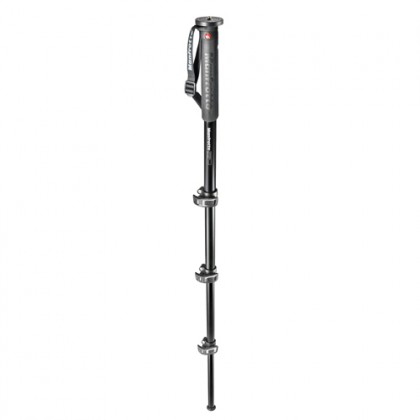
If you already own a tripod and find using it a little too cumbersome at times then a monopod will be something you should explore. A monopod is basically a single leg camera mount that quickens movement, especially of wildlife photographers, and cuts down on all the hard work that setting up a tripod demands. More than the stability factor, monopods are meant to take the burden of heavier lenses off your arms.
Monopods work best with ball heads that can be twisted or turned in any possible direction. Be it taking an aerial shot or an overhead one, a monopod paired with a ball head will do it, that too without putting in much muscle strength on your part. Also keep in mind when buying a monopod, make sure that it is of a sturdy built.since it is just one leg, a lighter material make can give a wiggly-wobbly feel.

Just like a regular tripod in looks, but as the name suggests compact tripods smaller in size, more compact and a travel tripod in its truest sense. Also called tabletops or mini tripods, these simply fold up, slide in and become a part of your luggage without taking up any extra space. The compact variants are highly portable, lightweight, durable, flexible and do not become a burden. Meant for photographers with entry-level cameras, looking to reduce the camera shake and trying to capture a different perspective than the usual eye-level pictures we are most used to.

It is a tripod’s ability to support a considerable amount of weight and prevent lens vibrations under all conditions that makes it top-of-the-line. Not just this but a professional tripod lets you explore and play around with the basic features to achieve the ideal setting. Like a center column that rotates both horizontally and vertically, the quick one-push leg extenders and much more which many other tripods do not offer.
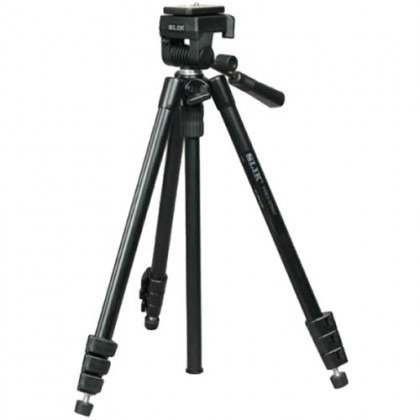
Shooting videos on a tripod, has more to do with the head than the tripod itself. Video tripods key feature is sturdiness. In addition, video tripods have fluid heads that will help you record a smooth, jerk-free and professional quality video. The fluidity of the fluid head lends an seamless and friction-free feel to the video. Also make sure to perfectly counterbalance the recording equipment and the fluid head in order to maintain synchronicity between the two.
With so much information on tripods, both basic and advanced, you are all set to capture those lovely sunsets, sunrises, landscapes, waterfalls and much much more. Now all is left for you to do is visit our online store and get the one that will help bring the best out of your skills.