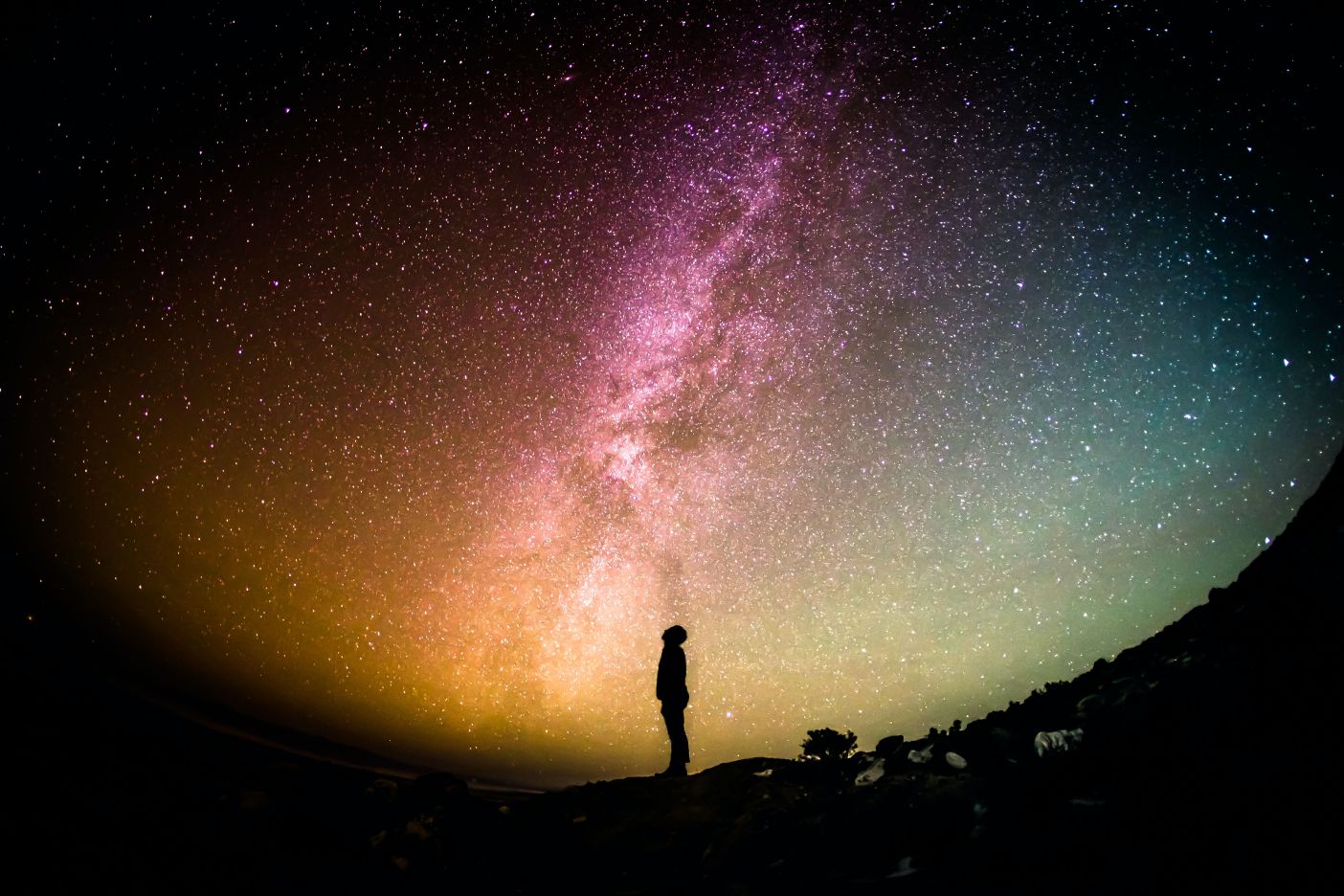
Since the beginning of recorded history, gazing up at the night sky has been a hobby for people. But, unfortunately, the extra light that our metropolis emits into a typical night sky in the inner city makes for rather terrible stargazing conditions.
In light of this, we’ve identified the best locations in and around Sydney where you may partake in this age-old custom. In certain places, all that is required to get immersed in the immense night sky overhead is a telescope and, in some cases, simply staring up.
This list covers whether you’re going to Australia’s sole recognized Dark Sky Park or one of our many spectacular observatories.
Sydney Observatory is an excellent place to start if you want to be physically close to the night sky. Its edifice holds three telescopes, including the oldest operational telescope in Australia, constructed during the 1874 Venus transit.
It is one of the highest sites viewing Sydney Harbour. The other two are a 40-centimeter computer-controlled lens and a telescope that allows you to view the sun for those who prefer to look at the star closest to us.
The Observatory offers daytime and evening tours, short courses, workshops on early Indigenous astronomy, and nighttime tours. Coming here is the first step for any aspiring Galileo.
The Blue Mountains’ Linden Observatory was built by Ken Beames, a singularly talented amateur astronomer. During World War II, he completed the 61-centimeter telescope at the location and built both the dome that holds it and the direction control system by himself.
Only by appointment is it possible to enter Linden’s heritage-listed building, but contacting them is as simple as filling out this form. If you’re content to admire Beames’ creation from a distance, Reverend Bob Evans offers monthly introductory astronomy classes on Saturdays in the neighboring viewing area. You can enroll in these classes for a minimal fee.
A group of mathematicians and engineers passionate about exploring the universe’s inner workings runs the Western Sydney University’s Penrith Observatory. They take breaks from their mission now and again to hold public programs on everything from paper rocket building to star life cycles.
Regardless of the weather, the Western Sydney Cosmic Data Lab volunteers also host astronomy nights on most Saturdays throughout the year. In addition, numerous daytime activities allow tourists to view the blazing gas giant that sustains life on this planet safely for those who are less nocturnal. And the drive from the CBD is less than an hour.
There is absolutely no risk of confusing Jupiter with your neighbor’s bug zapper since Mudgee Observatory is situated among some very black sky and is only a 15-minute drive from the town center.
Additionally, Steve Lee discovered Comet Lee there in 1999. The Sydney Observatory employees, Sutherland Astronomical Society members, and UNSW have all used the facilities in the past.
This prominent location is accessible to the general public and offers frequent daylight and nighttime tours of the sun and the night sky, as well as an abundance of telescopes and binoculars for visitors to use.
There is also a space mission program in the theater and flat-screen planetarium. But make sure you reserve in advance and budget $15 for admittance.
The Blue Mountains National Park is home to one of the Astronomical Society of New South Wales’ “black sky” observation locations, located just outside Richmond. The observatory is an old-fashioned building made of olive bricks with a little kitchen on the first floor and a camping place close by. Corrugated iron is used to construct the dome.
There is also a viewing area that has been cleared so amateurs can stroll along and watch galaxies collide and stars disintegrate at a time that suits them. Beginners will need to be accompanied by an accredited ASNSW member, though.
John Tebbutt, an amateur astronomer in the 19th century, built this observatory by hand. If the name seems familiar, you may have been wealthy in the 1980s and 1990s. His likeness was featured on the $100 bill until 1996.
Tebbutt’s Observatory in Windsor was often rebuilt as he upgraded his telescopes, but the current structure dates from 1879. It was stated that Tebbutt could never glance up without seeing a comet. Therefore, there is no doubt that you will find astronomical magnificence here.
Try a dark sky location instead if you’re feeling more daring and prefer an astronomical experience that doesn’t involve peering over a building’s roof. There are other places to look up besides observatories; these isolated fields and lookouts provide an excellent vantage point to view celestial bodies.
Airports are excellent locations for stargazing because they are typically remote and have few lights on at night. The regions of the airport where there are golf courses and border fences are the most fantastic locations.
Where — 3 Avro St, Bankstown 2000.
Mangrove Mountain is a nice place to view the stars if you don’t want to venture too far from the city. It’s inland from the Central Coast near Peats Ridge, an hour and a half away from the city, and offers better sight because of its higher elevation.
Where — Mangrove Mountain 2250.
This is one of the closest stargazing locations to the city you’ll find, and it’s only 45 minutes north of the CBD. The football field that borders the national park is a good spot to start. Orion will be easy to see, and that will help you find other constellations.
Where — Mount Ku-ring-gai Oval, Brisbane Ave, Mount Kuring-gai 2080.
The Northern Sydney Astronomical Society hosts viewing nights here on the Saturdays before and after the new moon. At least one viewing night per month is open to guests.
Where — JJ Melbourne Hills Memorial Reserve, Terrey Hills 2084.
The Astronomical Society of NSW is proud of this dark sky refuge located on the outskirts of Wollemi National Park in the Blue Mountains. Throughout the year, they often provide several stargazing sessions on suitable weekends, albeit they are currently on break.
The ASNSW, however, kindly advises stargazers to schedule private outings with accredited members in the interim.