When
digital cameras first came out, everyone thought the days of Polaroid had come
to an end. The original “click and print” Polaroids had led the market for
years prior to the introduction of digital cameras, and it looked like they
were doomed for the museums. The opposite has happened. Polaroid has adapted
digital technology, and it still does instant prints.
There
are new upgraded Polaroid 300 film cameras on the market, still doing what
Polaroid is famous for, printing quick snaps. These cameras are very advanced
versions of the original Polaroid cameras with similar picture quality to
digital cameras, scene setting and instant print pictures.
The
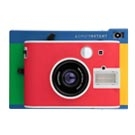
revolution, however, is the new Polaroid Two, which is a hybrid of the basic
Polaroid camera with integrated printer and digital technology. The Polaroid
Two can print pictures on its own without a computer link, like a normal
Polaroid. It can print up to 20 pictures on a typical battery charge. The big
differences are in the new configuration. The Polaroid Two is a true digital
camera.
It
includes:
- USB cable connection for computers to transfer pictures
- On-screen edit functions on the camera
- Rechargeable batteries
In
effect, Polaroid has combined the best of both worlds in the Polaroid Two.
These very simple alterations to the basic Polaroid model have effectively
reinvented Polaroids for digital photography.
What
Polaroid has done is to reclaim the strongest features of its original design
in the digital camera context. Polaroids are famously very easy to use. They’re
the true “point and click” cameras. The Polaroid Two has a 4x zoom on it, and
that’s about the only bit of new technology it needs.
If you compare Polaroids to other digital cameras, you’ll notice the
simplicity of the Polaroid Two, compared to other cameras. It doesn’t have a
large range of functions and similar technological features. It doesn’t need
them. Everything is basically automatic. What you see on the LCD screen is what
you’ll get. If you’re looking for a reliable basic camera, check out the
Polaroids.